

Looking for the coolest spots in Adelaide to check out some Greek and Roman mythology art? You’re in luck — this city has plenty of Greek gods, goddesses, and ancient art to discover. If you’re into all things Greek, you’ve got to hit up these twelve awesome spots. And here’s a little secret — Adelaide actually has not just one Venus, but three! Yep, three stunning Venus (Aphrodite) sculptures, each in beautiful locations. You’ll find Venus on North Terrace, in the Adelaide Botanic Gardens, and even at Old Government House in Belair National Park.
But that’s not all — Hercules, Apollo, Hermes, and many other Greek gods and goddesses are hiding around the city too. Most of them are tucked away in quiet corners and secret spots, which I’ll share more about in other posts.
Visiting these mythological sites isn’t just about the sculptures — you’ll also stumble upon incredible artwork, beautiful gardens, and fantastic galleries all over Adelaide.
If I had to start anywhere, it’s gotta be the Art Gallery of South Australia — it’s a must-see.
1. The Art Gallery of South Australia
Hey, if you’re into Greek myth art, the Art Gallery of South Australia has a pretty solid collection worth checking out. One of the highlights is Circe Invidiosa by John William Waterhouse — it’s the painting on the left with that striking greenish vibe. This piece is a total classic and one of the most talked-about works in the collection.
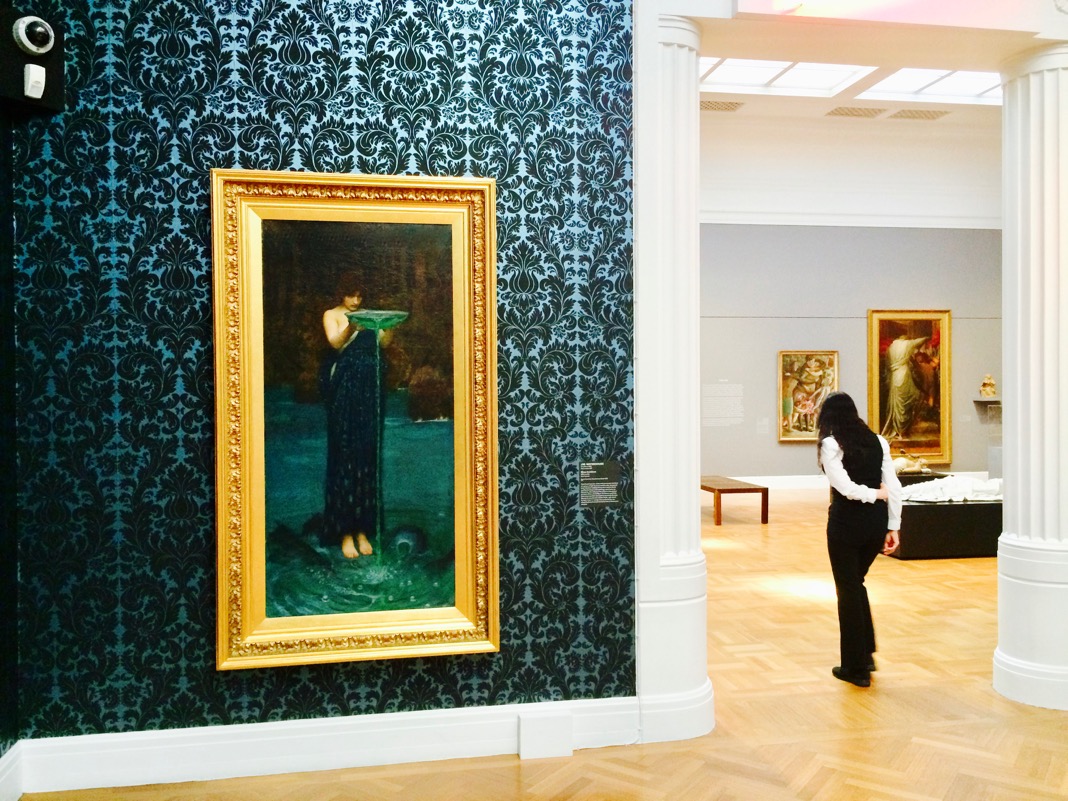
It shows Circe, the enchantress from Greek and Roman myth, poisoning water to turn her rival, Scylla, into a terrifying sea monster. Fun fact: Scylla used to be a beautiful nymph — people forget that part. The name “Invidia” is Latin for envy and is linked to the evil eye, and interestingly, it’s also the Roman name for the Greek goddess Nemesis.
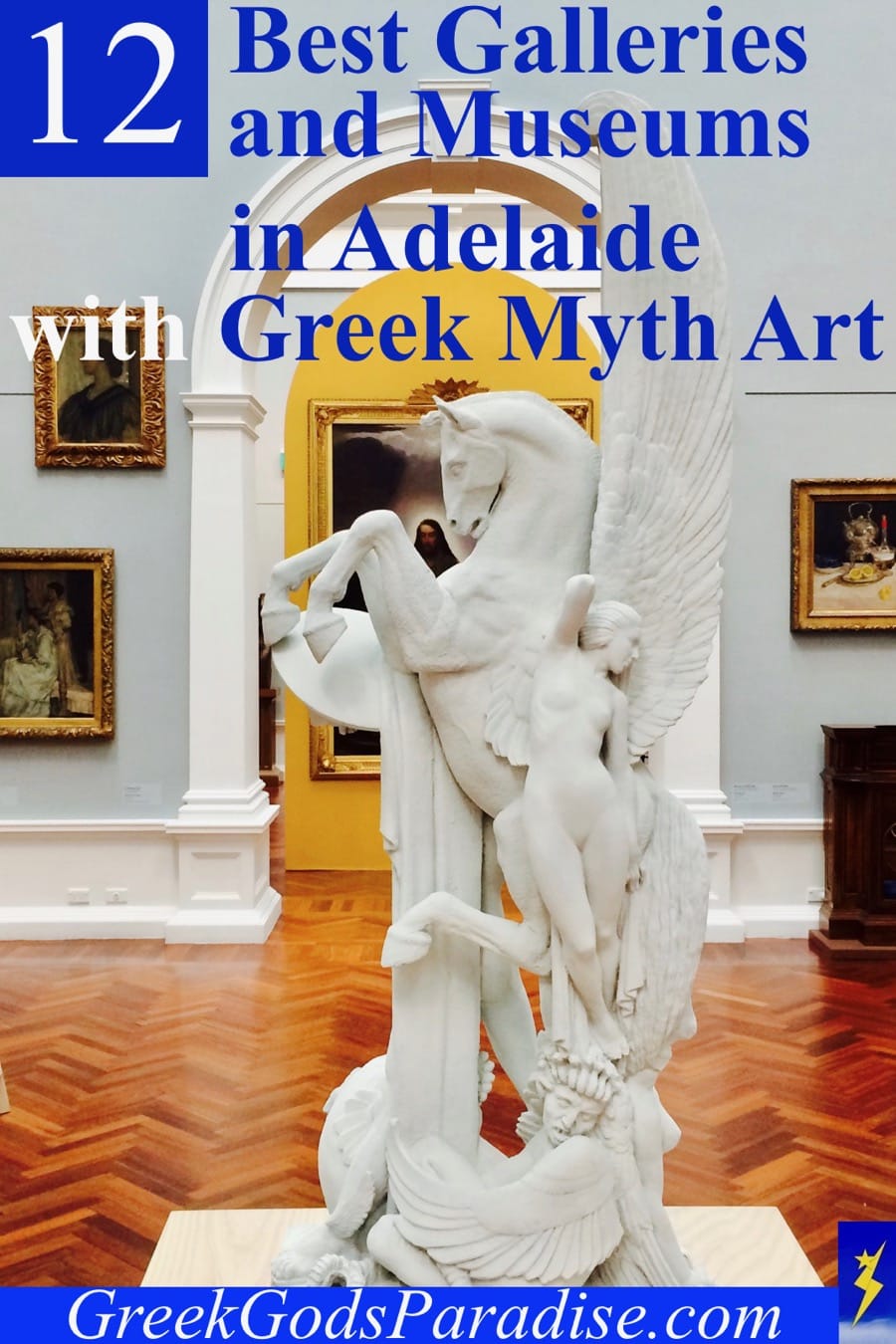
Another cool piece is The Birth of Pegasus by Rayner Hoff, a plaster sculpture from 1925. It’s in a spot that used to feature a giant sculpture of Eros — but now it’s all about Pegasus. On one side of Pegasus, you’ve got Perseus holding up Medusa’s head; on the other, Princess Andromeda. Flanking the sculpture are sirens — those half-bird women from Homer’s Odyssey.
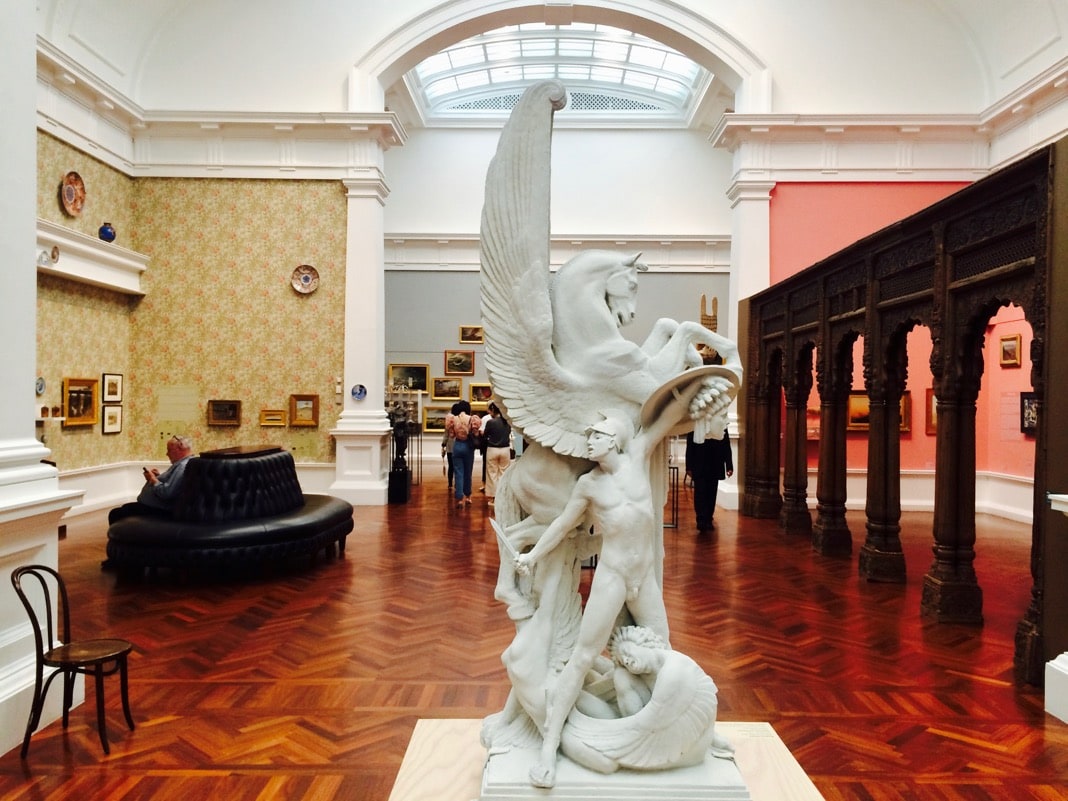
The Eros sculpture that was once situated in this position was actually made from a casting of the famous sculpture found in Piccadilly Circus in London.
Fun fact: the Eros sculpture that used to be here was actually cast from the famous London statue in Piccadilly Circus. There’s a chance it might make a return from storage someday, and honestly, I hope it does. Oh — and a quick heads-up: that’s not actually Eros, the God of love. Want to know the real story? Check out my other post for the details.
Greek Myth Artwork: Art Gallery of South Australia
There’s more Greek myth art at the Art Gallery of South Australia worth checking out. One cool piece is The Riches of the Sea with Neptune — it shows the sea god surrounded by tritons and nereids, and honestly, it looks like it belongs in the Uffizi Gallery in Italy, where they’ve got tons of myth-inspired masterpieces.
Then there’s Olympus on Ida, also known as The Judgment of Paris. It shows three goddesses in a totally different light — with golden hair and a strange, almost androgynous vibe that’s pretty unique compared to the usual images.
Another standout is Love and Death, where Cupid is battling the Grim Reaper. You can catch a sneak peek of it through the doorway on the right side of Circe Invidiosa, as seen in the photo. Nearby, I also spotted a painting of the Priestess of Delphi — definitely worth checking out.
If you get the chance, I highly recommend taking a tour of the gallery. I did one around 2 pm, but there’s also an 11 am option. When it was over, the tour guide joked that she didn’t know who learned more — her or me — because I took her around to all the Greek myth art and kept asking questions. Luckily, it was just her and me, so I got to nerd out a bit more.
2. The David Roche Foundation House Museum
One of the coolest surprises in Adelaide is this amazing little museum tucked away in North Adelaide. It’s a private spot and honestly, a hidden gem you don’t want to miss. They’ve got over 3,500 decorative art pieces, many with ties to Greek mythology — so there’s a ton of fascinating stuff to see.
The house itself used to belong to David Roche, and inside, you’ll find a crazy variety of art — from portraits of dogs to stunning depictions of Greek gods. The first thing that’ll catch your eye when you arrive is a massive golden statue of Apollo, the Greek god of light, sitting right on the grounds. And the coolest part? You can see the statue through a window, making the whole experience even more epic.
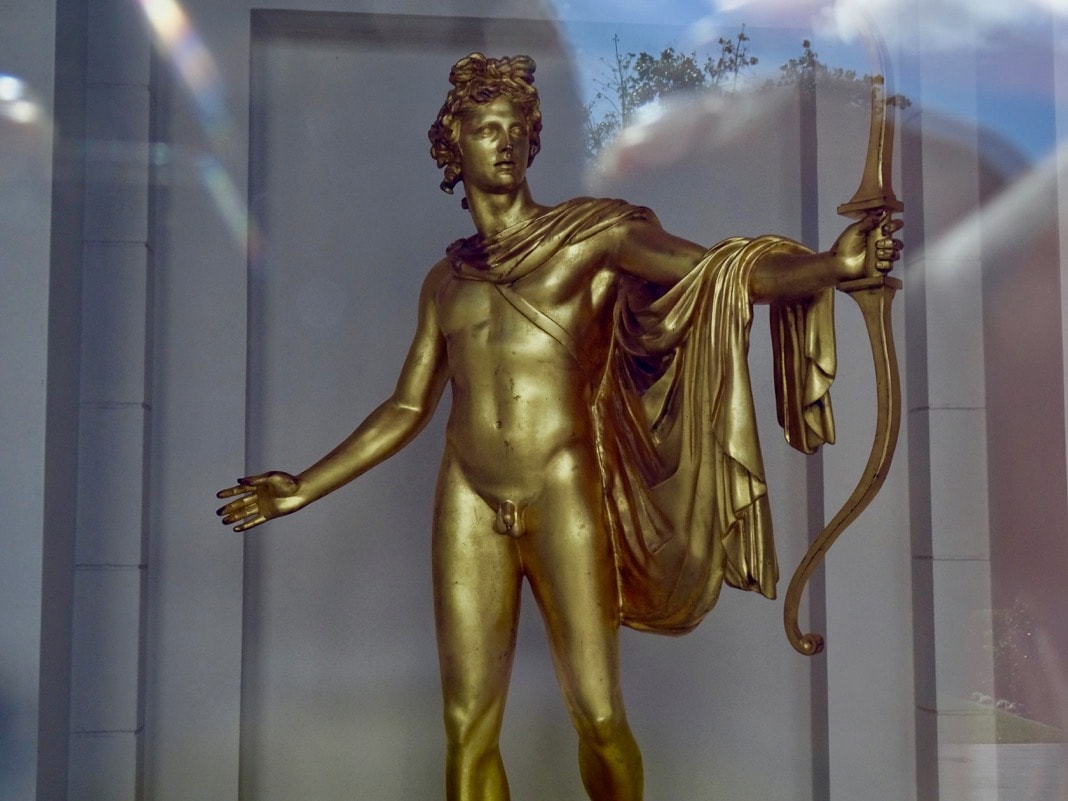
To get this shot, I had to put my hand on the window to block out the sunlight reflection — now it feels kinda fitting. Right next to Apollo, you can also spot a golden sculpture of Hermes. My only gripe? For some reason, they don’t let visitors inside the hallway where all these statues are displayed, which is a real bummer.
When you step into the house museum, you’ll pass through an entrance guarded by Artemis (or Diana, if you prefer), the huntress goddess. It’s like stepping into a myth come to life.
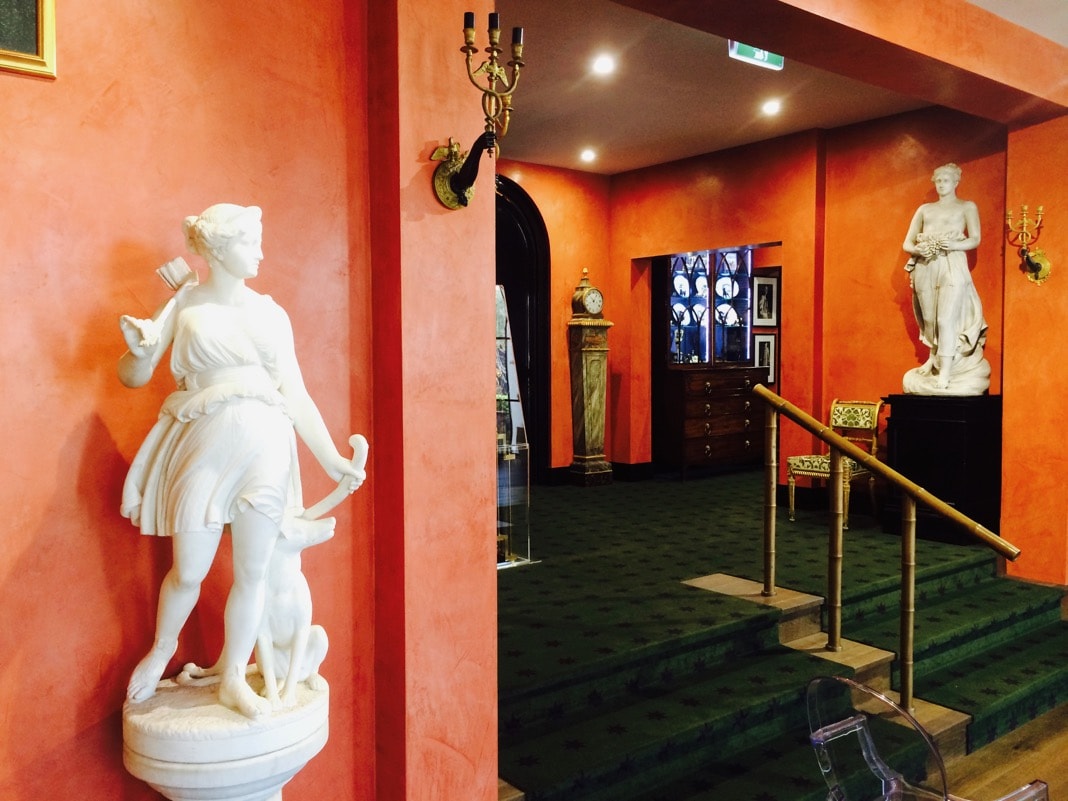
The David Roche house museum kind of gave me vibes of the classic French film Beauty and the Beast (1946). The moment I saw the hand on the wall holding up the candlestick, I couldn’t help but think of that iconic scene. As I wandered through the house, I also spotted Medusa’s head tucked away in one of the hallways — definitely a cool, spooky touch.
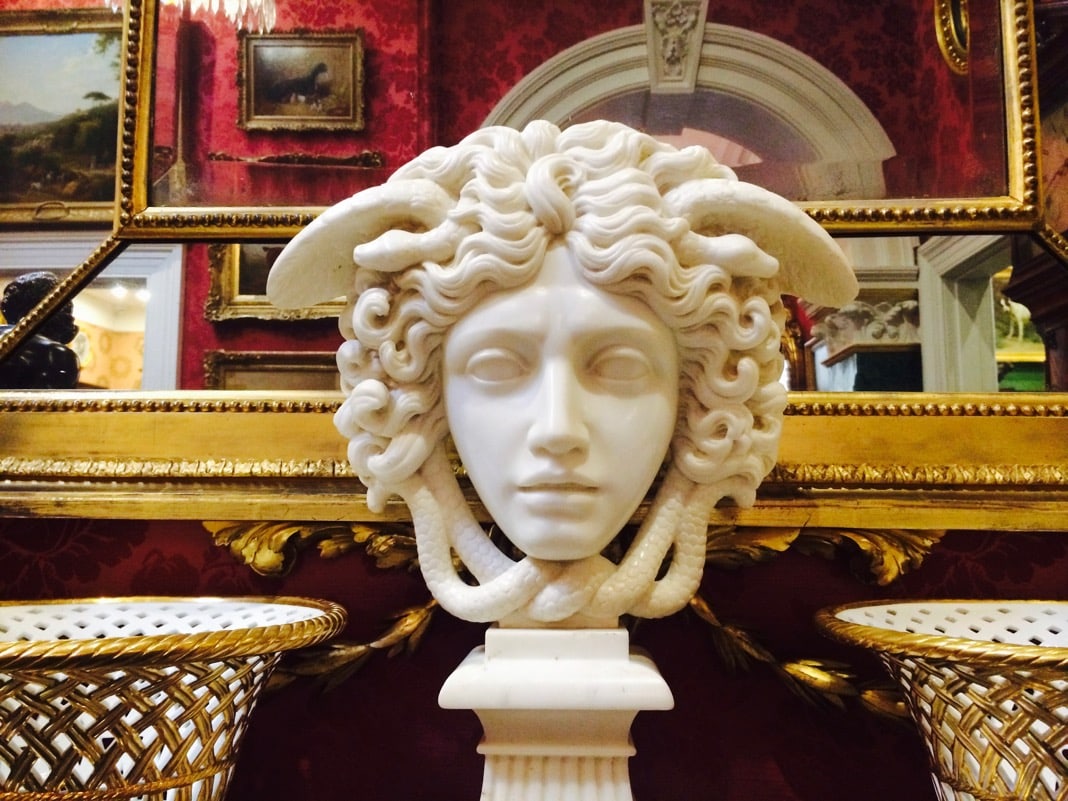
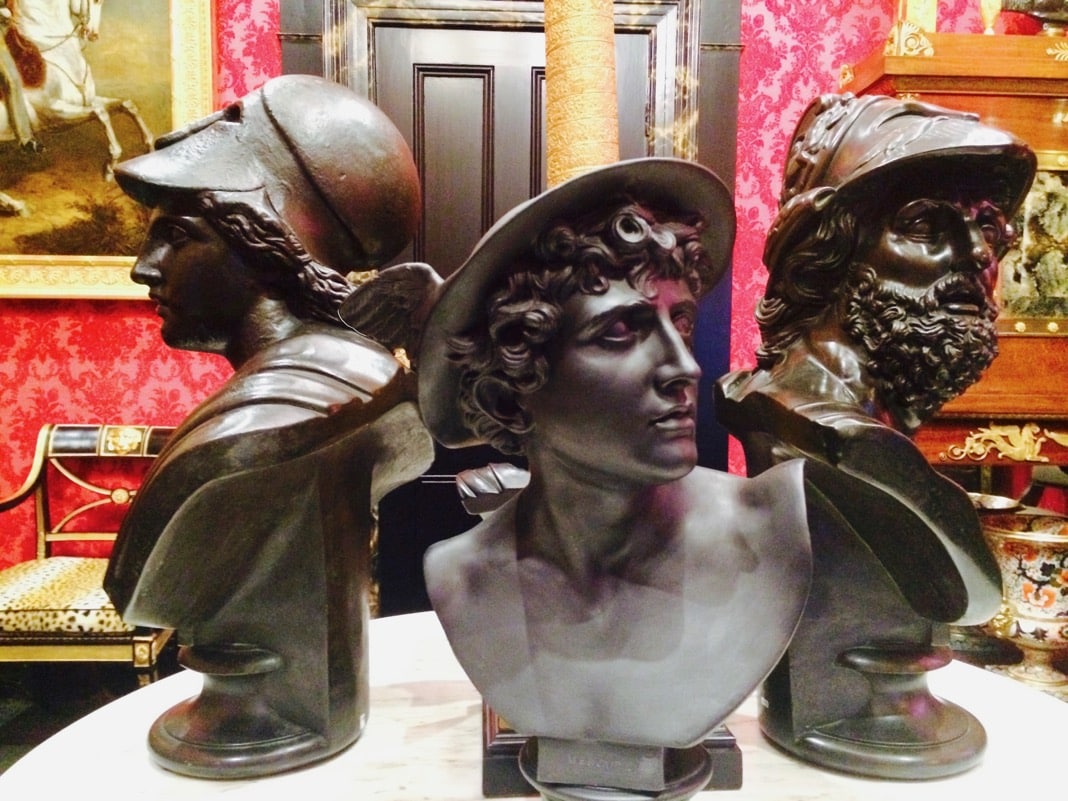
Inside the house, you’ll find heads and busts of all kinds of Greek gods, including Hermes rocking his winged helmet — you can check out a picture of him in the feature image of this post. David Roche was also a big collector of ornamental clocks, and one of the coolest pieces in his collection is the so-called Baptism of Achilles mantel clock from France, around 1815. It’s a seriously interesting piece with a story to tell.
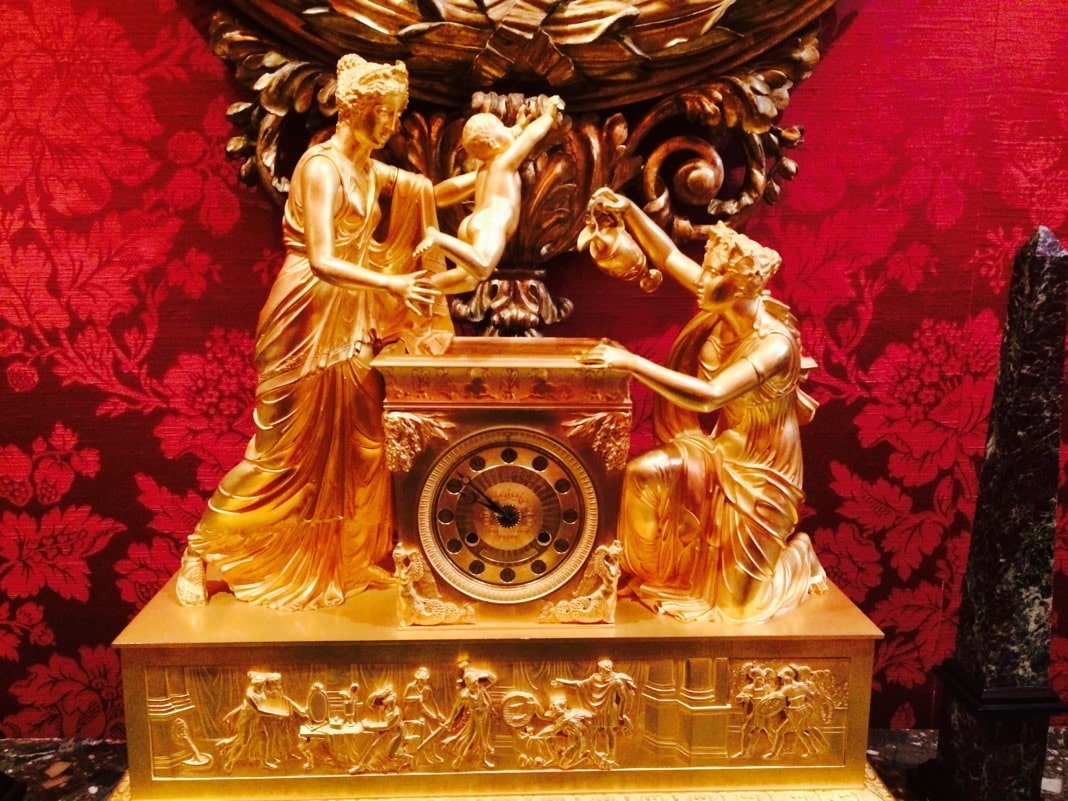
Inside this museum, you’ll find all kinds of myth-inspired art — centaurs, Cupid, Ares, Venus, Dionysus, Athena, and way more. The David Roche Foundation House Museum is definitely a must-see, and I honestly can’t recommend it enough. It’s a top spot for anyone into mythology and cool art.
3. Mortlock Wing: State Library of South Australia
This library has been voted one of the most beautiful in the world, and honestly, it’s easy to see why. With its medieval vibe, a lot of visitors liken this wing to something straight out of Harry Potter. If you’re into books, you definitely don’t want to miss it. Who knows — hidden among those old shelves might be some pretty epic Greek mythology art waiting to be discovered.
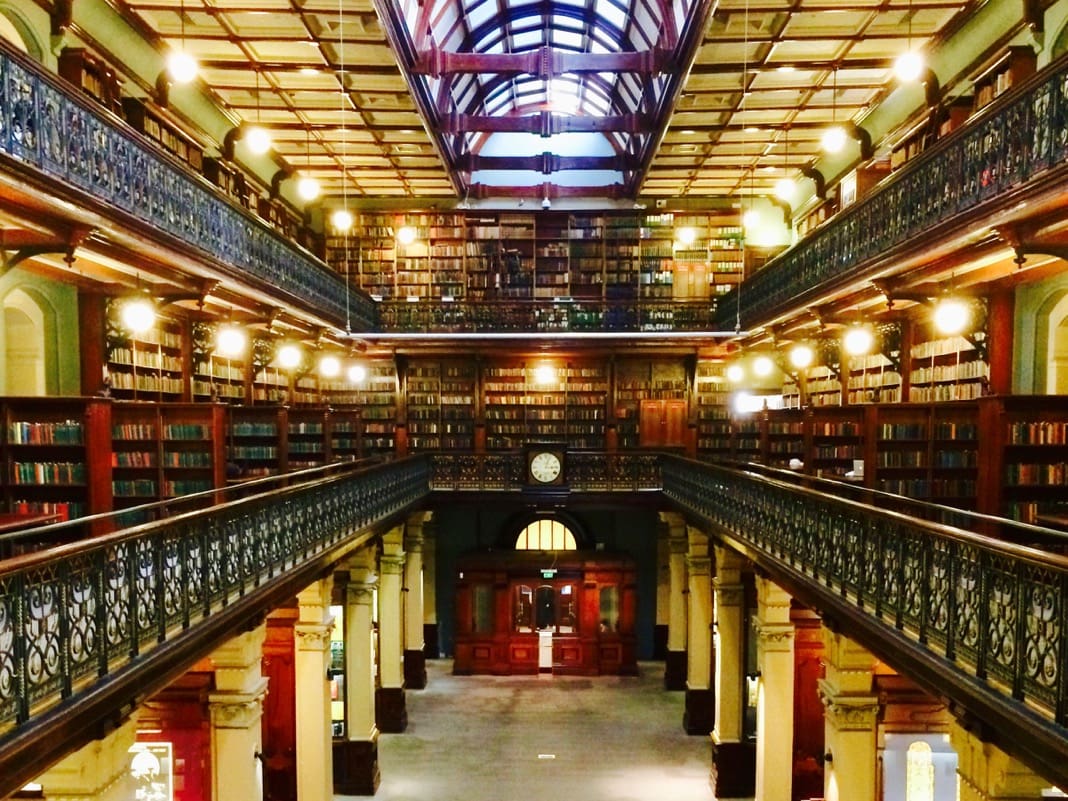
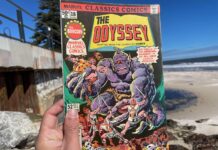
What’s cool about this library wing is that on the ground floor, there’s a small museum filled with all kinds of interesting relics from the past. You’ll find comics, newspaper reports, and other rare books tucked away behind glass cabinets. One thing that caught my eye was a fascinating book called The Golden Bacchus — it’s about a dinner celebration held at the Alphutte Restaurant back in 1989. Definitely a spot worth checking out for history buffs and curious minds alike.
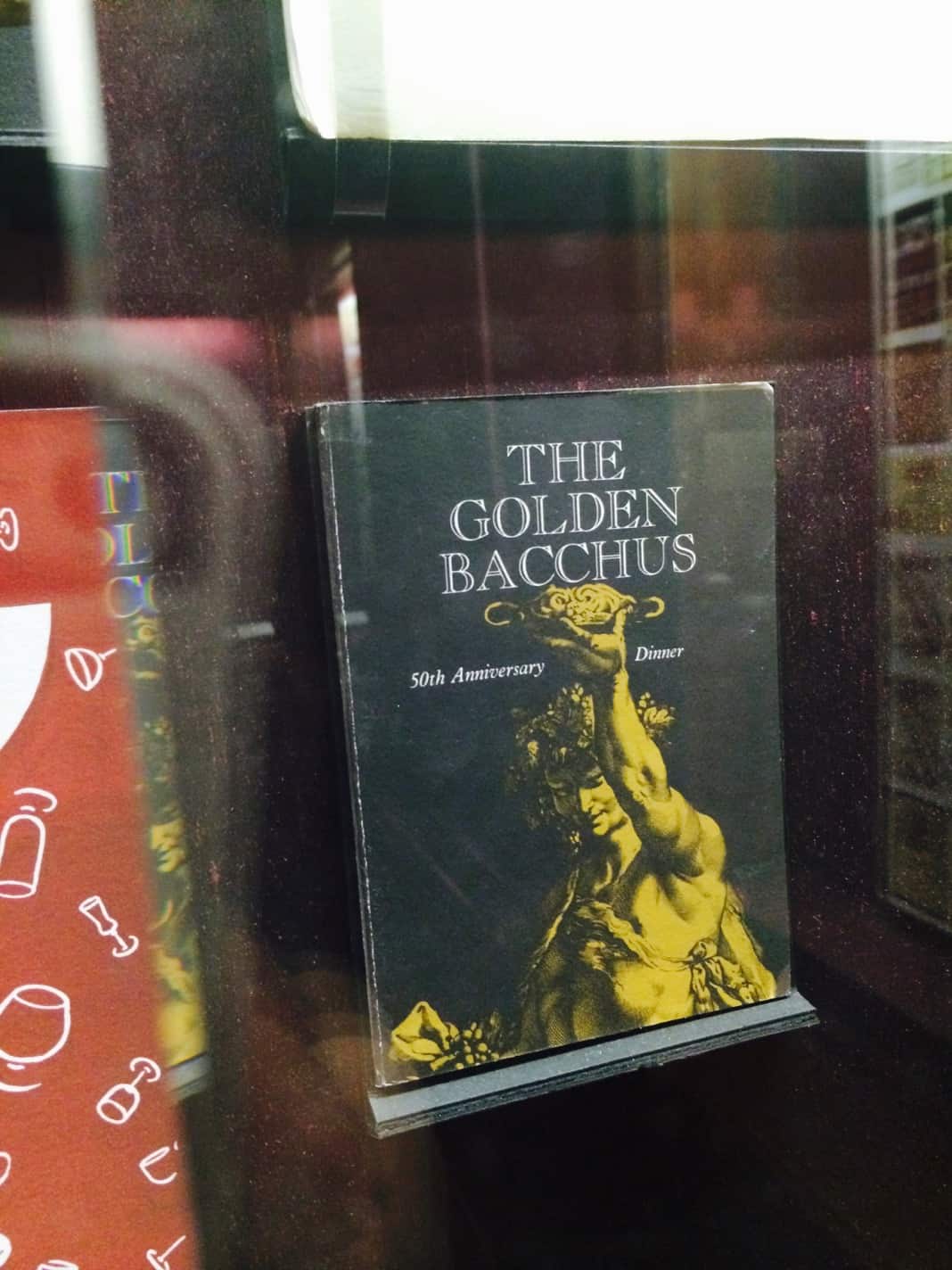
I’ve seen Bacchus Club metal plaques at Seppeltsfield Winery in the Barossa Valley and Hardys Wines in McLaren Vale — so, this must be a pretty exclusive club. Being a member probably comes with some pretty sweet perks. It’s definitely cool to know that at least some people recognize who the real Wine God is in this world.
4. The Hermann Thumm Collection – Barossa Chateau
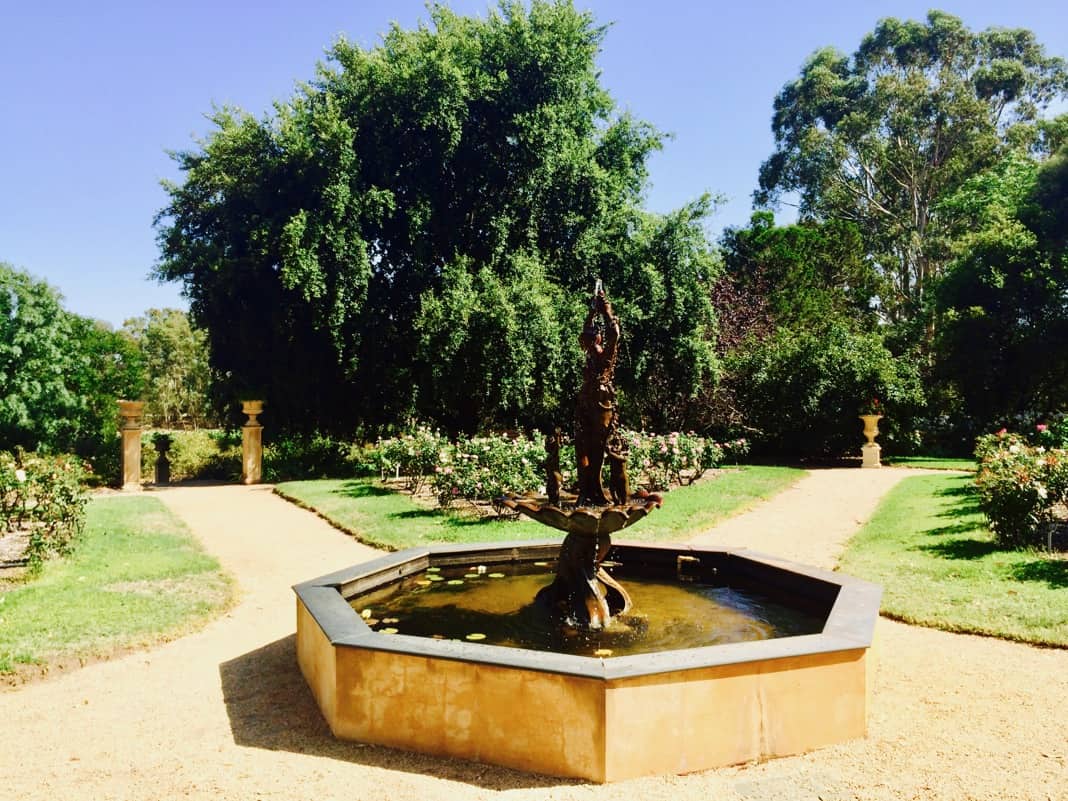
The Barossa Chateau’s got a stunning water fountain in the garden at the back — honestly, just that alone makes it worth a visit. But there’s more: inside, they’ve got an incredible porcelain collection called the Hermann Thumm Collection. It’s a pretty awesome spot to check out if you’re into beautiful sights and cool collectibles.
Definitely keep an eye out for the piece featuring Helios, the God of the Sun. This special porcelain sculpture of Helios driving his chariot is said to have been Herman Thumm’s favorite piece in the collection. It’s a real standout and worth a close look.
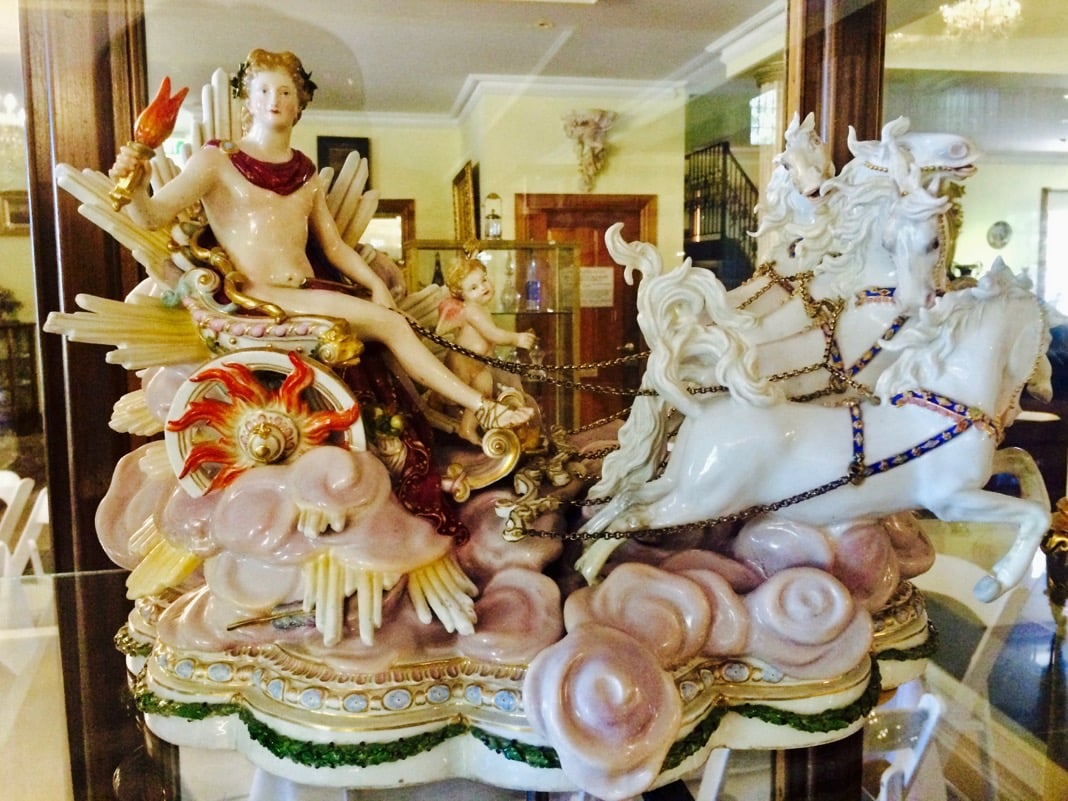
Here’s a cool tidbit: next to Helios, you can spot a winged Cupid riding along — and get this, only two of these porcelain statuettes were ever made. The other one is actually in Saint Petersburg, Russia. When I asked about its value, I was told it’d have to be in the millions. In Greek mythology, Helios is the Sun God, while Apollo is the God of light — but for some weird reason, they often seem to share the spotlight. Greek mythology can get pretty confusing sometimes!
5. National Motor Museum
Birdwood, nestled in the Adelaide Hills, is home to the National Motor Museum — and I went there on a mission to find a Mercury (Hermes) model car. No luck with that, but I was still blown away by what I did find. Since Hermes is the God of travel, I figure the museum is pretty much paradise for Greek myth fans or anyone into cars and bikes. The vehicle in the photo is called Mystic Fantasy — it’s a Bedford with some really cool Greek myth-inspired artwork painted on the side. It shows a warrior centaur facing off against Pegasus, the flying horse. Not sure if it’s a friendly chat or a showdown, but either way, it’s pretty awesome.
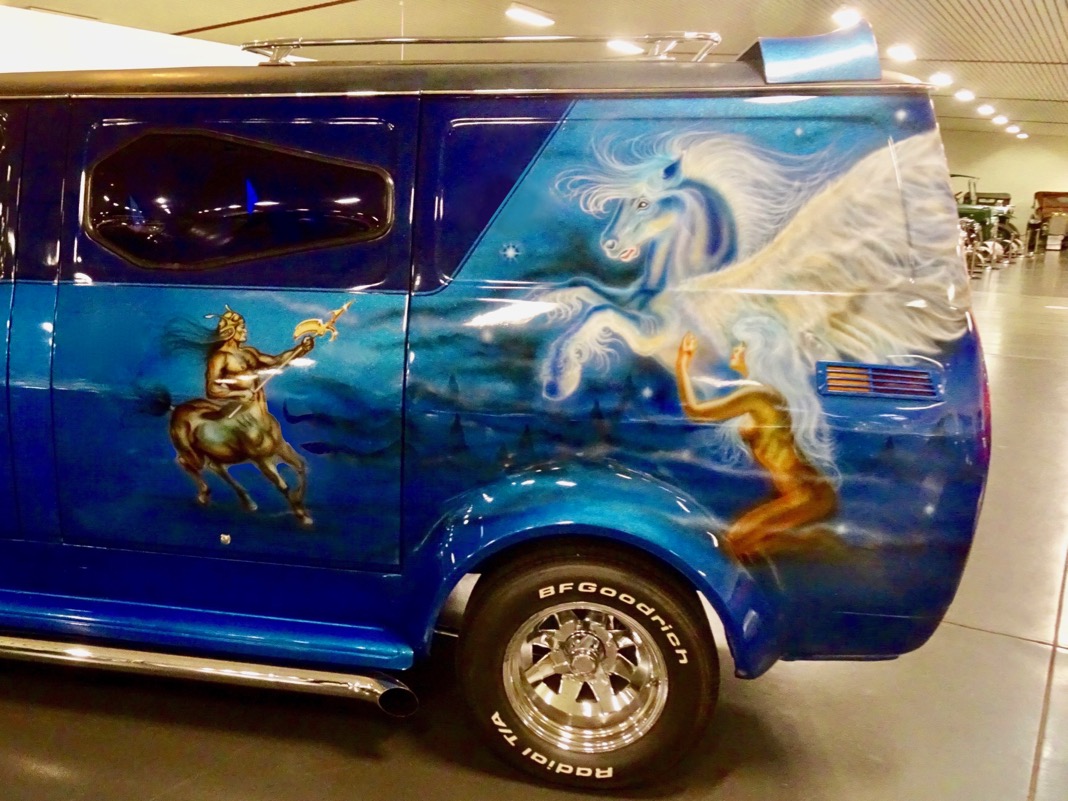
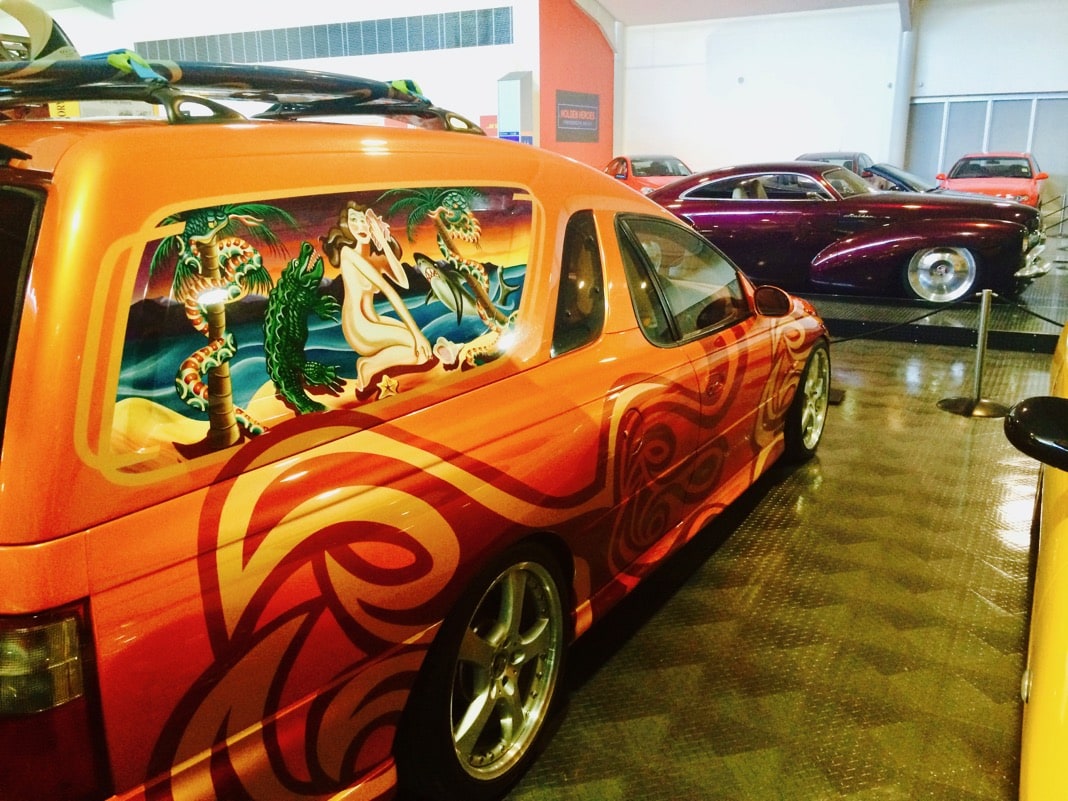
The way the light reflects off the blue vehicle almost makes it look like Pegasus is shooting a laser beam at the centaur. The woman kneeling beside Pegasus might be praying to the Greek gods — maybe Pegasus was sent to rescue her from that evil centaur? In Australia, one vehicle known for its eye-catching artwork is the Holden Sandman. These classic cars often featured all kinds of artistic designs on different parts of the body — the sides, the hood, the roof, pretty much anywhere. The artwork was usually meant to turn heads, especially to catch the attention of the ladies.
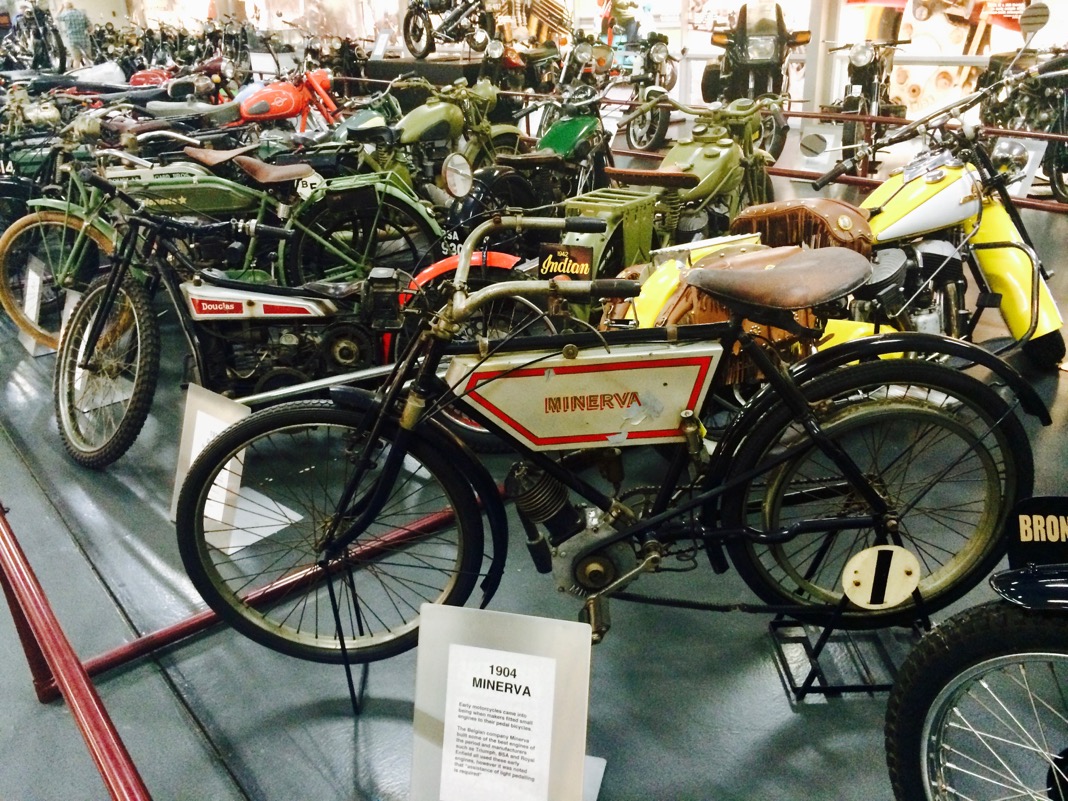
The museum boasts around 400 motor vehicles and holds the title of Australia’s largest motor museum — pretty impressive. What caught me off guard the most was the huge collection of motorcycles they have on display. One that stood out was a 1904 Minerva — the Roman name given to Athena. Back in the day, early motors were just pedal bicycles with motors slapped on, so it’s crazy to think how far things have come since then.
The National Motor Museum has an awesome collection of Holden cars on display. One of the highlights is a classic Holden Monaro, which many Aussies consider one of the most iconic cars of all time. Holden was founded right here in Australia back in 1856 as a saddle maker, and it finally shut down in 2017 after making its last car. Nowadays, some of these Holdens can sell for a pretty hefty price.
If you’re into cars, you should definitely check out my post on the best cars for Greek Gods — it’s a bit of an eye-opener. Back in the day, Greek Gods rolled around in chariots, but these days, they’ve probably all upgraded to modern motor vehicles.
6. Ayers House Museum
Ayers House was once the home of Sir Henry Ayers, who lived there from 1855 to 1897. Fun fact: he’s the guy after whom Ayers Rock was named — the famous red monolith in the heart of Australia’s Northern Territory. Today, we call it Uluru, out of respect for what the First Australians call it. While exploring the house, I came across this really cool Greek or Roman-inspired vase tucked away in a tiny storage room inside the Ayers House Museum.
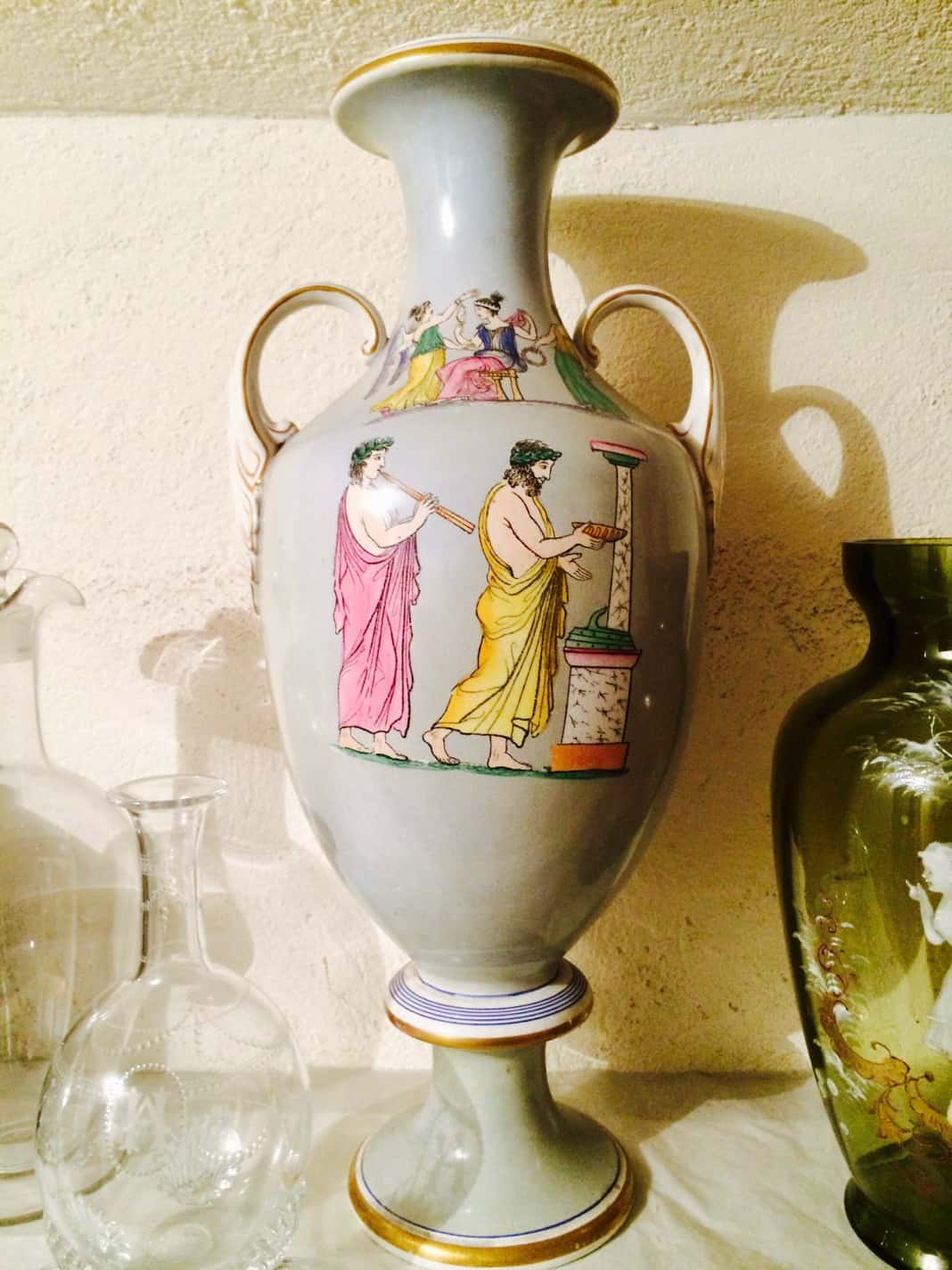
When I visited Ayers House, I got a private tour with a guide — I was lucky enough to be the only person there. The coolest part was hearing stories about how ships used to deliver ice all around the world. This was way back before refrigerators and ice makers existed, so ice was a precious commodity. It kind of makes you think of Prometheus from Greek mythology, who gave fire to humans — maybe Poseidon (or Neptune), the God of the Sea, wanted to give us ice next!
7. Greek Myth Sculptures in the Adelaide Parklands
You don’t always have to hit up an art gallery or museum in Adelaide to see some Greek myth-inspired sculptures. For example, you can swing by Veale Gardens, just off South Terrace, and check out a cool sculpture of Pan, the nature god.
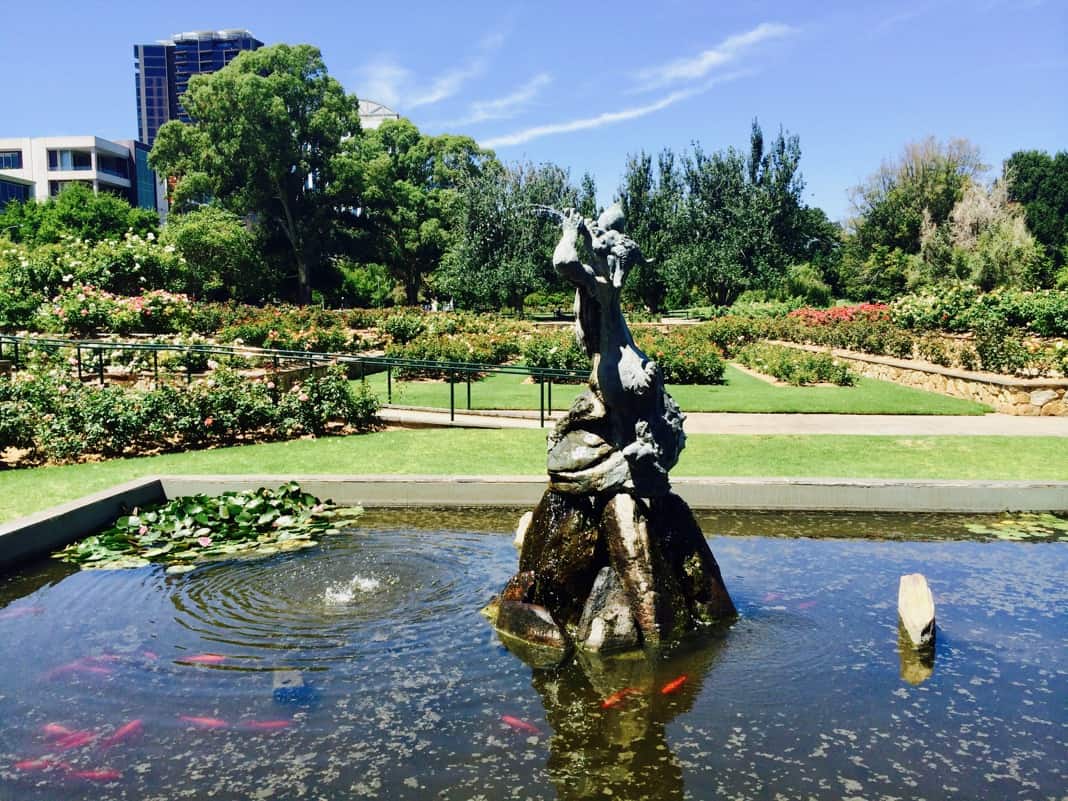
There, you’ll see the goat god playing the Pan pipes, with water flowing through them — making it a really stunning water fountain. And to top it off, there are even goldfish swimming in the pond. Not sure how many Pan water fountains are out there, but this one definitely feels pretty special.
8. Port Adelaide Street Art and Adelaide City Murals
Take a stroll around the streets of Adelaide and see if you can spot a Greek God in the wild. For example, in Port Adelaide, you might come across Cupid (Eros), the Greek God of love, shooting one of his famous arrows.
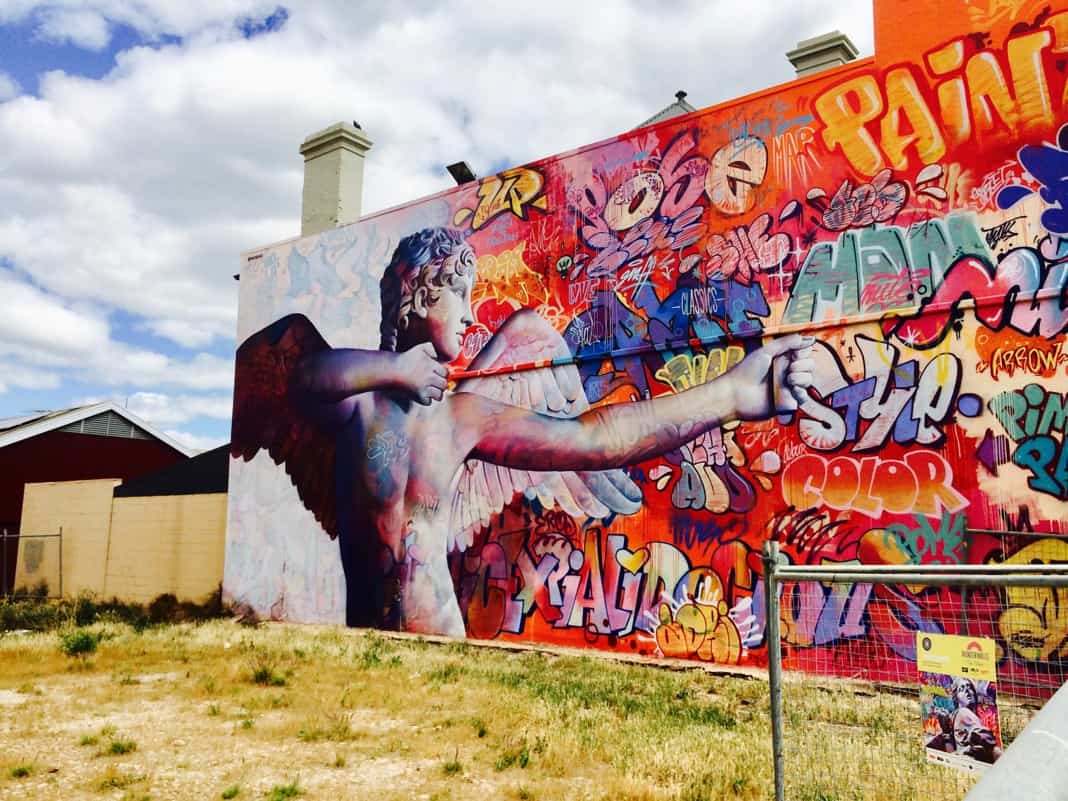
Adelaide’s got some awesome street murals, especially in Port Adelaide — they call them the Wonderwalls of Port Adelaide. If you’re into street art, I’ve got a whole post showcasing many of these incredible murals. It’s definitely worth checking out!
9. South Australian Maritime Museum
The figurehead of the ship Star of Greece is on display inside the South Australian Maritime Museum — a must-see for anyone into maritime history.
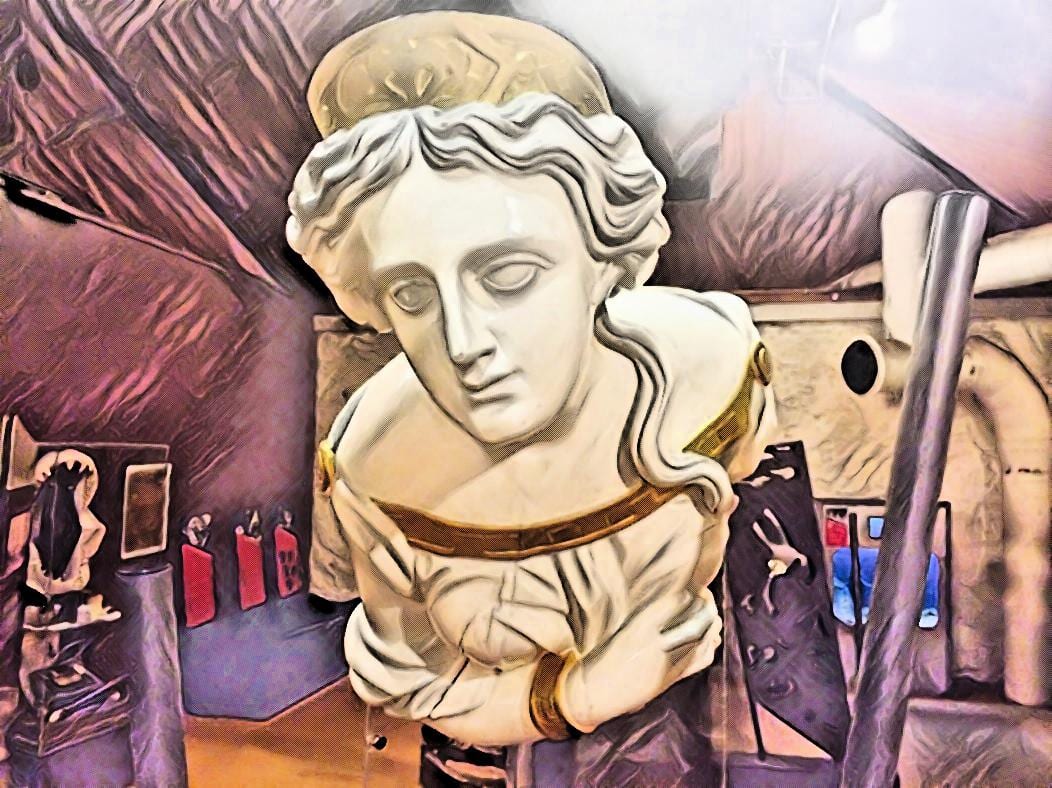
The actual Star of Greece shipwreck lies just off Port Willunga Beach, and you can even go snorkeling over it. Port Willunga is one of Adelaide’s top beaches, and I highly recommend hitting it up on a hot summer day when it’s at its best. Being there kinda makes you feel like you’re in Greece.
If you’re into boats and ships, the South Australian Maritime Museum is also a great spot to check out — one of the coolest things to do in Port Adelaide, especially if you love maritime adventures.
10. Venus – Government House
Aphrodite (Venus), the Goddess of love, is actually outside South Australia’s Government House. You can find her on a patch of green grass between the stone wall and North Terrace — the street where a lot of Adelaide’s cultural spots are located.
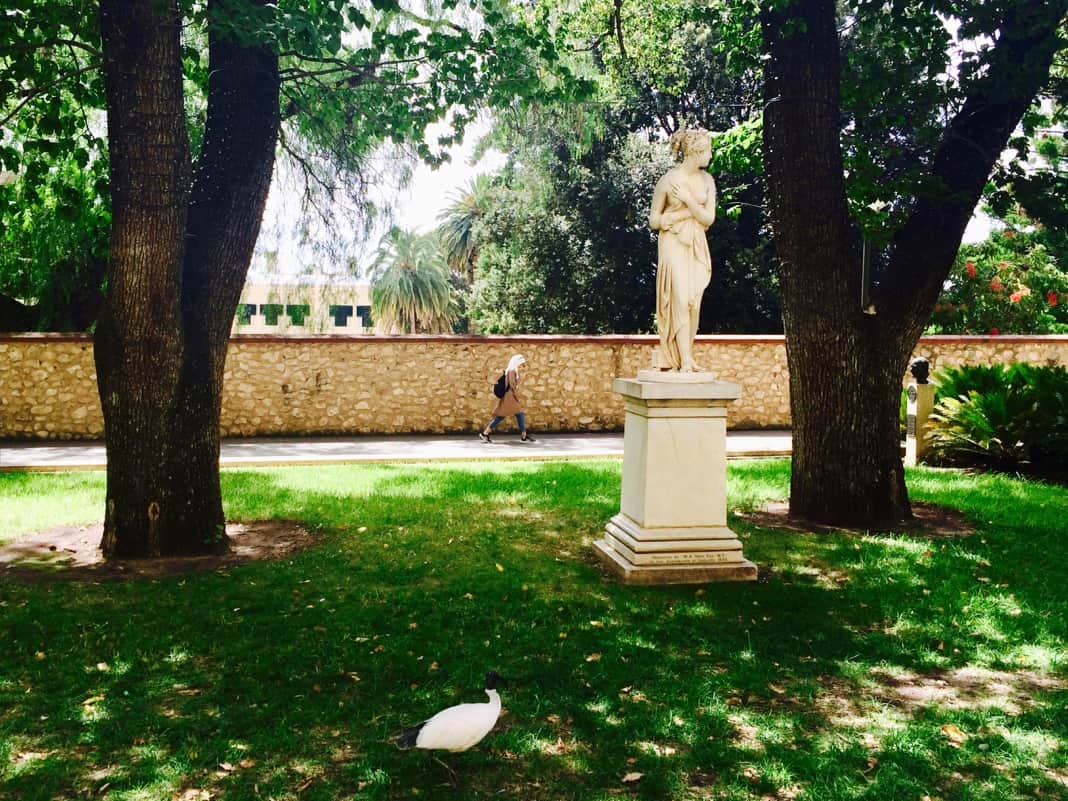
Government House is only open to the public a day or two each year, but when it is, entry is free. That’s your chance to walk through the grounds, explore the house, and check out some of the amazing artworks inside. Otherwise, at least you’ve met Venus! You can also catch a glimpse of the house from over the fence — just walk toward the Art Gallery of South Australia and turn left onto Kintore Avenue. The fence there is a bar-style one, so you can see right inside the grounds. I once got a pretty divine sign from Venus — you can read all about it in my post on the 35 best walks in Adelaide. Who knows what kind of magic might happen when you visit Venus? And if you keep walking into the Adelaide Botanic Garden, you’ll spot another Venus greeting you at the northern entrance — she’s there, too, spreading love.
11. Museum of Classical Archaeology: University of Adelaide
This museum is said to have the biggest collection of ancient Greek and Roman artifacts in Adelaide — over 1,700 items!
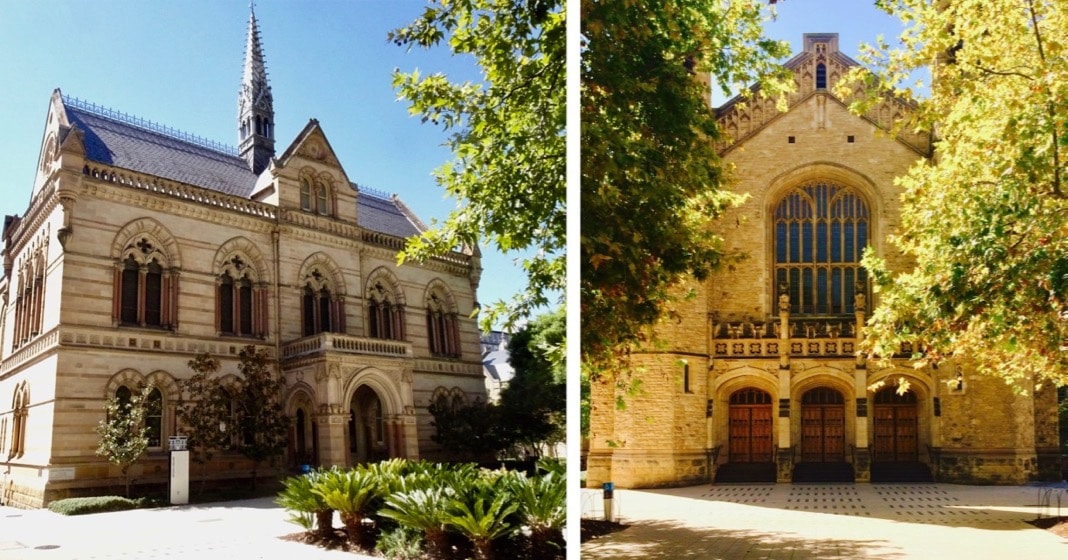
The tricky part? Getting in. It’s usually only open to student groups, so it’s a bit of a challenge to visit, but if you ever get the chance, it’s definitely worth it to see such a massive collection of history.
12. South Australian Museum
Another cool thing to do in Adelaide is to take a walk through the South Australian Museum. It’s packed with fascinating natural history that’ll make you wonder. Right out front, there’s a fountain called 14 Pieces — it’s inspired by the vertebrae of an extinct marine reptile, kind of like a massive dolphin beast.
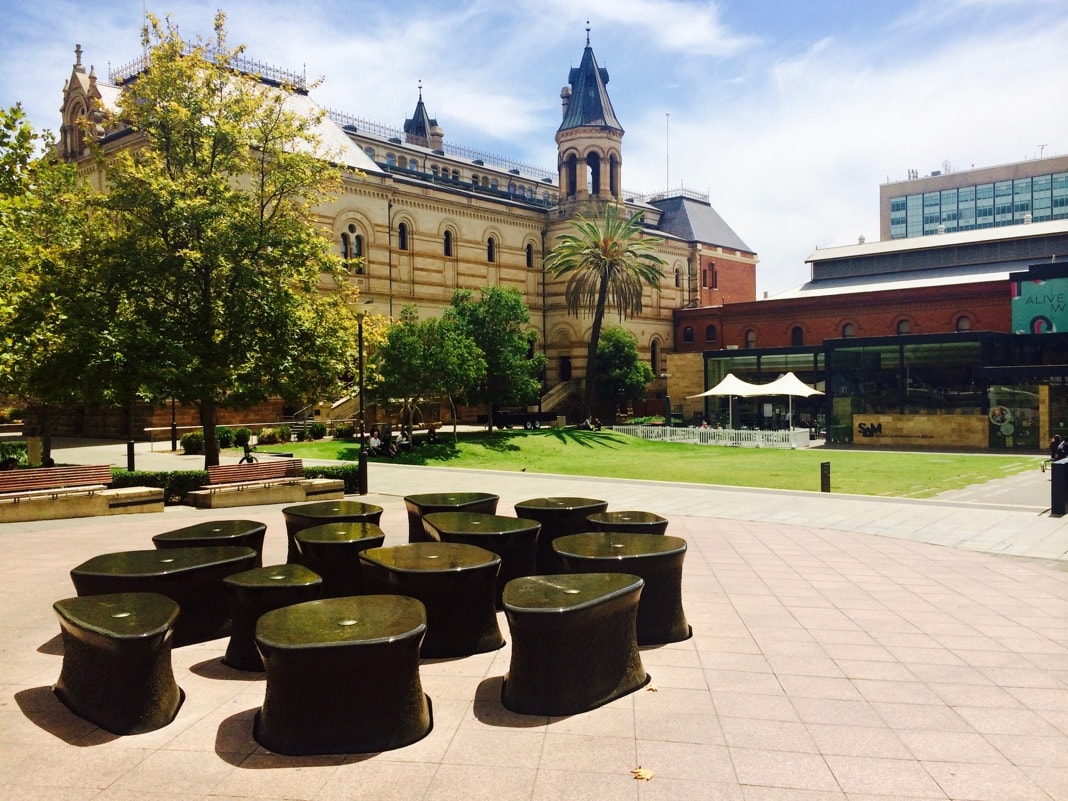
Inside, one of the coolest displays is a giant 11-meter-long pink squid that looks like it’s straight out of the movie Warlords of Atlantis. It’s actually a model based on the biggest squid ever recorded in New Zealand waters, hanging in an old, unused lift shaft across four floors. You’ll also see some really impressive dinosaur models, wild animals, and marine creatures like the amazing sunfish. And who knows, there might be a hidden Greek mythology link somewhere in there — you never know what surprises are hiding inside!
Greek mythology vibes are everywhere in Adelaide — now you’ve got the inside scoop on where to find them. Hope this helps someone out there! If you want to dig deeper into Adelaide and all the cool stuff it’s got to offer, check out my post on the 10 best things to do in Adelaide. It also features a few more Greek mythology-related spots worth exploring.
Pin it … Share it